
Image by Aspen Ridge Recovery Centers
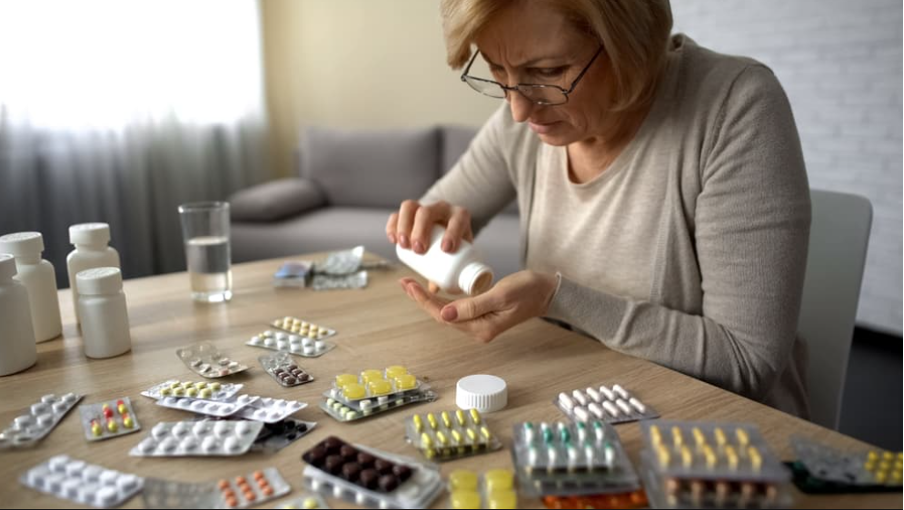
Imagine waking up with a splitting headache. Instead of calling a doctor, you grab a painkiller from the medicine cabinet — the same one that worked last time. It’s quick, convenient, and feels harmless. But what if this simple act, repeated millions of times around the world, is quietly turning into a global health crisis?
A Growing Habit with Hidden Risks
Self-medication — using drugs without a doctor’s prescription — has become an everyday practice worldwide. Studies show its prevalence ranges from 68% in Europe to a staggering 92% in Kuwait. Even in the United States, over three-quarters of people admit to medicating themselves. What’s alarming is that university and healthcare students, who should know better, are often leading the trend.
In a qualitative study conducted at Kermanshah University of Medical Sciences in Iran, twelve nursing students were interviewed about their views and experiences with self-medication. What researchers found was both eye-opening and deeply concerning.
The Double-Edged Sword: What Nursing Students Think
The nursing students identified two sides to self-medication — its perceived benefits and its serious dangers.
The “Good” Side: Time, Cost, and Convenience
For busy students, self-medication seemed like a time-saver. Visiting a doctor meant long waiting hours, travel costs, and appointment delays — all for minor illnesses like a cold or headache. One participant said,
“To visit a doctor, even for a short time, I must take a full day off — I’d rather treat myself.”
Others believed it helped them save money and treat simple illnesses effectively. They saw no harm in using familiar drugs based on previous prescriptions or personal experience.
But beneath this convenience lies a dangerous illusion.
The Dangerous Side: Health at Risk
The nursing students highlighted the serious dangers of self-medication. Many mentioned antibiotic resistance, noting that overuse can make infections harder to treat. Physical complications were common too, ranging from dizziness and nausea to hallucinations caused by sleep medications. Beyond personal health, self-medication can strain the healthcare system, as incorrect treatment often leads to worsened illness and increased hospital visits. In the most extreme cases, misuse of drugs — like insulin or herbal remedies — has even resulted in death. These examples show that what begins as a simple attempt at self-care can quickly become dangerous.
Why Do We Still Do It?
Despite the risks, people continue to self-medicate — driven by trust in personal knowledge, lack of time, high healthcare costs, and easy access to drugs. In countries where pharmacies sell antibiotics without prescriptions, the problem spirals even faster. Ironically, even medical and nursing students, armed with healthcare knowledge, fall into this trap — believing their familiarity with medicines makes them immune to error.
When “A Little Knowledge” Becomes Dangerous
Self-medication might look harmless when treating a simple headache, but repeated misuse can cause lasting harm — from masking serious diseases to developing drug-resistant infections. The World Health Organization warns that antibiotic resistance alone could lead to 10 million deaths per year by 2050 if misuse continues.
The Way Forward: Awareness and Education
The Iranian study suggests that education is the key. Nursing students — future healthcare providers — must be taught the long-term consequences of drug misuse. If they change their habits today, they can help shape a safer, more responsible society tomorrow.
As one researcher concluded:
“Students will change the society’s ideas — if we teach them now about the dangers of self-medication.”
Final Takeaway
Self-medication often starts with good intentions — saving time, avoiding costs, or treating something “simple.” But without proper medical guidance, the cost can be far greater than expected: our health, our safety, and even our lives. So next time you reach for that familiar pill, pause and ask yourself — Is it really worth the risk?



One response
I like what you guys are up too. This sort of clever work and exposure! Keep up the amazing works guys I’ve incorporated you guys to my own blogroll.