
The Early Music of the Mind
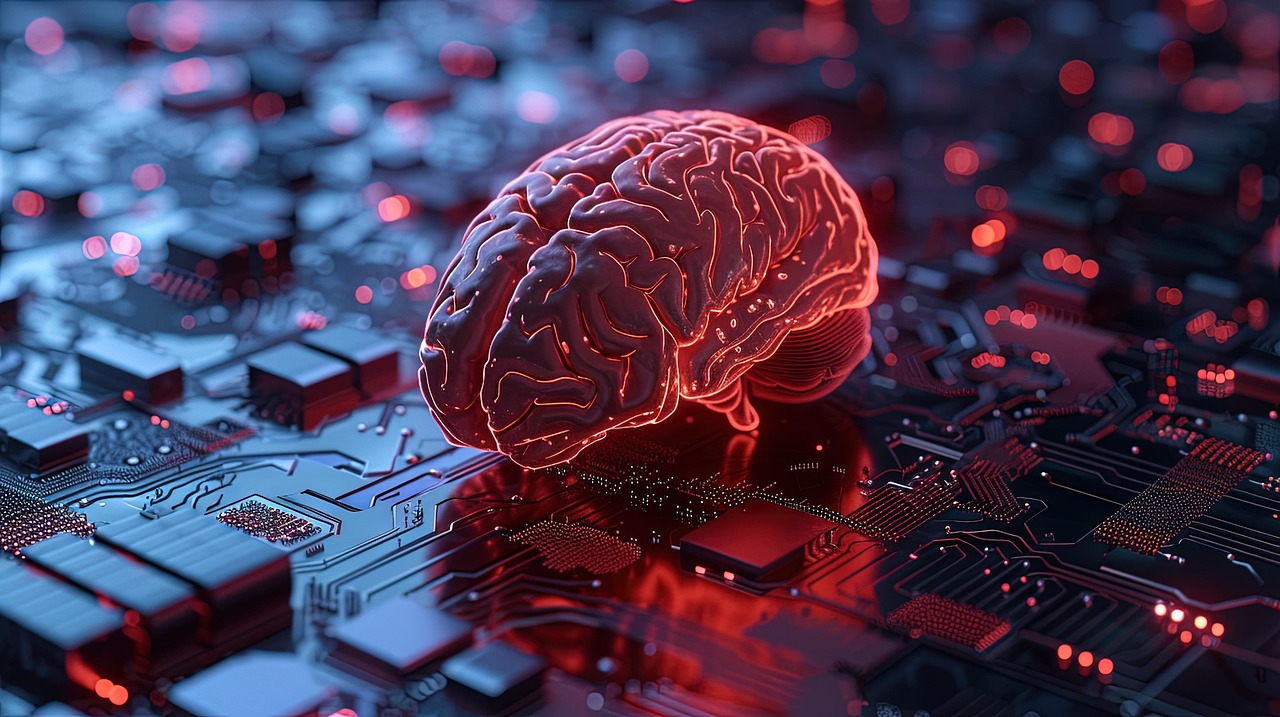
Signals often arrive before symptoms. The rhythms of the brain change long before memory fails or movement trembles. Researchers are now building tiny, chronically implanted interfaces that listen to those rhythms so clinicians can act sooner and with more precision.
Engineering the Listening Devices
These devices are not magic. They are arrays of microelectrodes and thin electronics placed so they couple to cortical tissue while minimizing damage. Modern designs favor flexible, transparent, and biocompatible materials to reduce scarring and to allow simultaneous imaging when needed. That shift in materials is what has made chronic recording more feasible in recent years.
Seeing Time, Not Moments
What a long-term implant offers is continuity. A scanner shows a moment. A cognitive test shows a snapshot. An implant can show trends over days and weeks in the setting where a person actually lives and sleeps. Those longitudinal patterns reveal changes in oscillatory bands, altered network coherence, and sleep disruptions that often precede clinical diagnoses in Alzheimer’s and Parkinson’s disease. With the right analytics, these early signatures could trigger a diagnostic workup or adjustments in therapy long before the first clear symptom appears.
Secure and Thoughtful Connectivity
Practical designs aim for small footprints, low power, and wireless links. Wireless transmission avoids tethering. Encrypted communications protect privacy. Engineers and ethicists are already warning that neural data is intimate and must be guarded with strong security, from hardware to cloud storage. New work on secure, robust wireless protocols is starting to address these concerns so patient autonomy and safety are not afterthoughts.
Human Trials and Measured Progress
There are real, recent examples showing progress toward human use. Several companies and academic teams have moved from animals into human trials. That transition brings regulatory scrutiny, surgical testing, and careful measurement of safety and signal stability. Those milestones mean the field is no longer purely speculative. It is testing whether continuous neural monitoring can be both safe and clinically useful.
Promise in Practice
The promise is broad. In Alzheimer’s disease, early disruption of slow-wave sleep and hippocampal coupling is implicated in memory decline. An implanted sensor that watches sleep dynamics could flag abnormal drift and prompt interventions such as sleep therapy trials or neuroprotective strategies. In Parkinson’s disease, changes in beta-band synchrony often precede motor decline, suggesting opportunities to fine tune neuromodulation before disability becomes fixed. For patients with epilepsy or traumatic brain injury, chronic electrophisiology can guide rehabilitation and predict risk.
Barriers Beneath the Surface
Translation from bench to bedside is not guaranteed. Long-term implants face biological hurdles such as glial scarring, signal loss, and device failure. The body responds to foreign materials and that response can degrade recordings over months and years. Reviews of implanted neural interfaces outline these failure modes and catalog engineering strategies to mitigate them, from coatings to device geometry. Addressing failure is the essential work that will determine whether these tools last long enough to matter clinically.
Energy, Analysis, and Endurance
Power and durability are engineering realities. Some teams pursue wireless charging or energy harvesting. Others push ultra-low-power electronics so batteries can be tiny or even unnecessary for long stretches. At the same time, analytic systems must distinguish meaningful neural change from noise, motion artifact, and natural variability between people. These are solvable problems, but they demand rigorous trials and openness about limitations.
Listening as a Form of Care
If the technology succeeds, the change will be cultural as much as technological. Medicine will gain instruments that watch the living brain continuously instead of glimpsing it intermittently. That will let clinicians catch deterioration sooner, personalize therapies with better timing, and in some cases prevent decline rather than only react to it. The ethical and privacy frameworks will have to keep pace so the gift of early insight is not turned into a burden.
A Converging Frontier
This is not a prophecy. It is a roadmap in progress. Materials science, wireless engineering, clinical neurology, and data ethics are converging. The goal is modest and humane: to hear the brain when it whispers, so we can act before it needs shouting.



No responses yet