
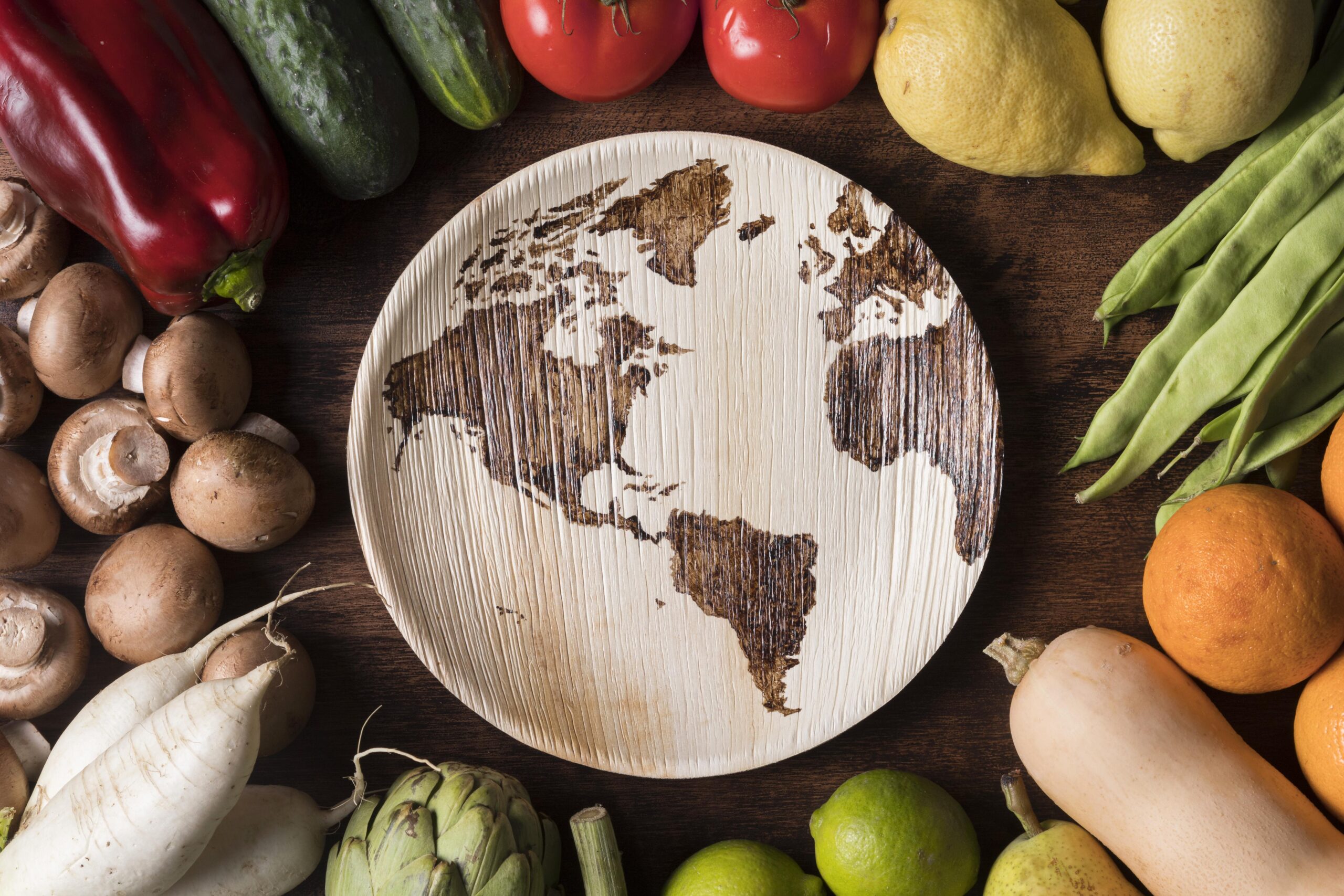
Photo by Freepik
Across the globe, roughly 1 in 3 people are affected by some form of malnutrition. This doesn’t mean that they simply lack food, but that they actually have limited access to the right kind of food and/or nutrition information. This gap is caused by many reasons, such as poverty, relative distance to markets, a lack of education, and misinformation. All of these details factor into keeping nutritious food out of reach. We can bridge this gap with the use of technology: mobile phones, apps, and digital networks to help connect people with resources, knowledge, and support.
A Global Nutrition Challenge
- Malnutrition can be an umbrella term for the following:
Under-nutrition, micronutrient deficiencies, and obesity due to low-quality diets.
- Scarcity of food, lack of education, lack of accessibility, and affordability
- Malnutrition has a disproportionate effect on women, children, and rural communities.
Mobile Health Tools for Nutrition
- SMS and messaging campaigns can provide simple and culturally specific nutrition tips, reminders for prenatal vitamins, and breastfeeding support.
- Apps for farmers can help local farms improve crop yields, diversify what they grow, and improve community access to fresh fruits and vegetables, as well as dairy, beef, or poultry.
- Telehealth services can provide nutrition counseling through video chat, even to remote areas.
Results Within Reach
Success stories across the world have shown how useful technology can be when addressing malnutrition. In India, text messaging programs have improved iron supplement adherence among women who are pregnant. Farmers in Sub-Saharan Africa have increased vegetable production and have boosted local food security through the use of mobile apps. WhatsApp groups in Latin America created peer-support communities for mothers who need to learn more about child nutrition. We have learned that technology is a powerful tool when battling global malnutrition by pairing it with education, localized partnerships, and fostering community. While tech is not the silver bullet, we can build success by offering our support to organizations that are innovative in improving global nutrition, or by donating old smartphones for health programs. UNICEF, Global Digital Health Network, or the GSMA provide support, education, case studies, and technological solutions to address the campaign for quality nutrition across the world.



No responses yet