
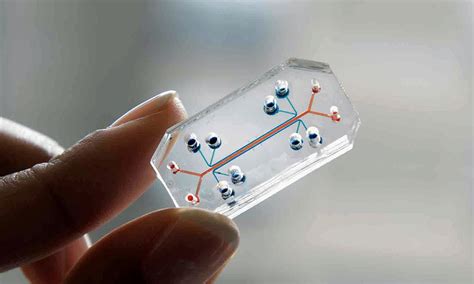
Image by Geraldine Hamilton from TED
The development of organ-on-a-chip technology represents a significant shift in how medicine and technology collaborate to modernize drug testing.
The Shift from Animal Testing
For a long time, testing new drugs on animals was a mandatory step before human trials. However, recent legislative changes and scientific findings are changing this landscape:
- United States: In 2022, the FDA Modernization Act was passed, allowing for alternatives to animal testing during drug development.
- United Kingdom: Nearly two years after the US, the UK government confirmed that testing on two animal species is now considered a suggestion rather than a requirement.
- European Union: The European Commission has enforced support for New Approach Methodologies (NAMs), which include organs-on-a-chip, organoids, and donated human tissues.
Why Alternatives are Necessary
Despite being a prevalent practice, animal testing is increasingly viewed as inefficient. While humans share 98% of their genes with mice, the remaining differences can lead to “game-changing” failures in clinical trials.
- Inconsistency: Many drugs that show positive outcomes in animal subjects fail when they reach the human test phase.
- Case Study: A study for acute stroke medicine failed to replicate the success seen in animal models when tested on humans.
- Development Stagnation: The uncertainty of results from animal testing can prevent the advancement of new medicines.
Defining the Organ-on-a-Chip
An organ-on-a-chip is a miniaturized platform that mimics human organ tissues inside versatile microchips. It is a multidisciplinary field combining:
- Biomaterial technology
- Cell biology
- Engineering
Scientists have successfully developed models for the lungs, liver, kidney, heart, intestine, and skin. By connecting these different models through a fluid transport system, researchers have even created “humans-on-a-chip”.



No responses yet