
Image by the American Diversity Report
Increased Satisfaction in Patient Care
Kenya’s healthcare system has long struggled with inadequate infrastructure, a shortage of specialists, and long patient waits. But thanks to telemedicine, things are beginning to change. By allowing patients and providers to connect virtually, hospital congestion is decreasing, unnecessary visits are being reduced, and patients are receiving timelier care.
Telemedicine took root in Kenya during the COVID-19 pandemic, when many primary care facilities saw immense pressure lifted through remote monitoring. It also gave nonspecialist doctors in rural areas access to guidance from specialists—helping them better care for their patients. Some providers even began diagnosing and treating patients remotely, which not only improved efficiency but also kept both doctors and patients safe from easily transmitted infections.
During COVID-19 the Enrich Telehealth Project focused on using low cost because video telemedicine or smart phone apps were not an option at that time. Bulk SMS messages were sent to locals in their dialect regarding handwashing, mask wearing, recognizing COVID 19 symptoms, and home isolation practices. This resulted in locals understanding the virus and feeling emotionally supported and less fearful. According to the Enrichment Project the spread of COVID-19 was reduced in these rural areas due to these simple changes.
The Rise of Telepharmacy
Next up is telepharmacy, a promising innovation aiming to make medication access faster and more accurate. According to VoiceOut, the goal is to automate drug dispensing, eliminate manual returns, and create a queue-free experience for patients.
Imagine being able to get your prescribed medication without waiting in line or traveling miles to a pharmacy—that’s the future telepharmacy promises. Patients in remote areas can now complete consultations virtually and receive medication seamlessly.
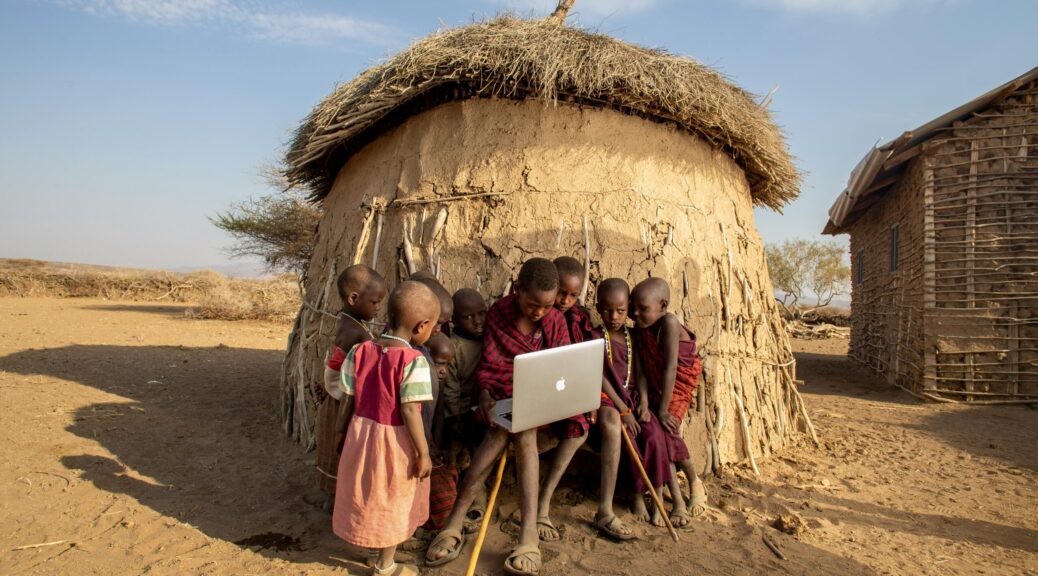
Muranga County in Kenya is taking the lead by building telemedicine sites where patients can meet doctors online. This setup is especially valuable in areas where internet and electricity are unreliable, giving people a communal space to connect with healthcare providers. Patients not only gain easier access to care but also become more comfortable using digital health tools in a supportive environment.
New Apps and Resources Transforming Healthcare
To tackle the challenges of remote healthcare, Kenyan providers are getting creative. Some hospitals are now using wearable devices for remote patient monitoring, improving the accuracy and speed of care.
Investors are also jumping in, funding mobile health trailers—essentially mini-clinics on wheels—so patients in areas with poor internet access can still have virtual consultations. It’s a powerful step toward making quality healthcare accessible to everyone, no matter how far from the city they live. New AI platforms are emerging that let people ask questions about their symptoms and get instant feedback, while also educating them on various ailments. Take Askiniah, for example—users can send a message via WhatsApp about common issues like headaches, and the platform provides guidance on what steps to take. This gives people quick answers for noncritical concerns and access to advice 24/7, without needing to visit a clinic.
The Diabetes Management Medical Center in Chronic has also stepped into the digital space, offering an online pharmacy and telehealth platform that ensures consistent treatment and education for people living with diabetes. According to Duncan Motanya, he was inspired to create this virtual clinic after losing both parents to the disease—a personal mission turned lifeline for others.
These AI-powered tools and chatbots give patients the ability to get answers immediately and even submit reports for later review by their doctors. No more waiting days for responses or struggling to access essential services—patients can now actively manage their health from anywhere.
With initiatives like these, Kenya and other countries are moving in the right direction, putting their populations’ healthcare needs at the forefront and showing how technology can transform access to care.



One response
It’s encouraging to see telemedicine making a positive impact on patient care in Kenya, especially addressing those long wait times. I was actually researching similar challenges and found some interesting perspectives on https://tinyfun.io/game/expert-parkour-3d that might be relevant.